The result is not shown
Photos of repairs, replacements and finished work are often scattered across a camera roll or social media.

Present your services, previous work and coverage so customers can find the right route to repairs, replacements or a quote.
These issues can make it harder for customers to choose you.
Photos of repairs, replacements and finished work are often scattered across a camera roll or social media.
Customers cannot see whether you handle repairs, replacements or other glasswork.
Visitors do not know whether you travel to their address or only work from the workshop.
Without dimensions, photos or a location, unnecessary messages are needed before the job can be assessed.
Ask for job type, measurements, location and relevant photos so the glazier can assess the next step. Keep the fields short.
See the website before you decide. Your business sets the direction. The choice is yours.
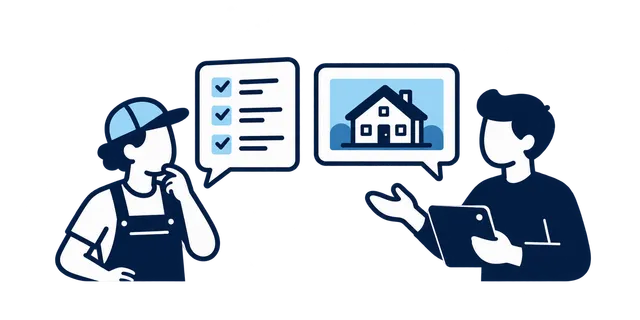
Tell us about your business, services, customers and service area. We clarify your needs and the material that will inform the preview.
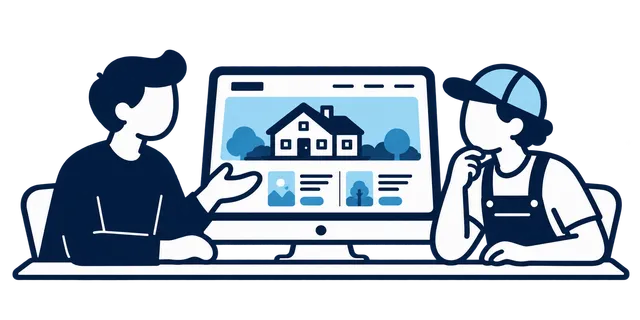
See a static design preview based on your current website or a new direction from us. Your own change requests are optional. The preview includes no revision round.
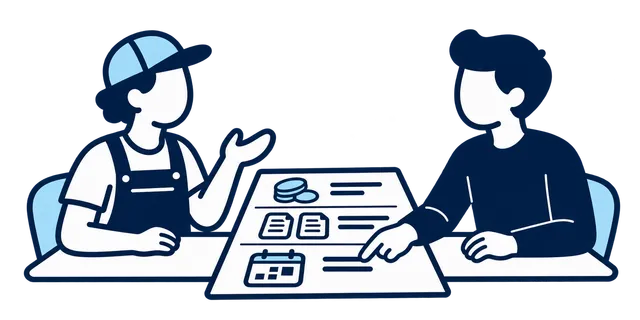
If you want to proceed, you receive a quotation covering price, deliverables and timing. You accept it before paid development begins.
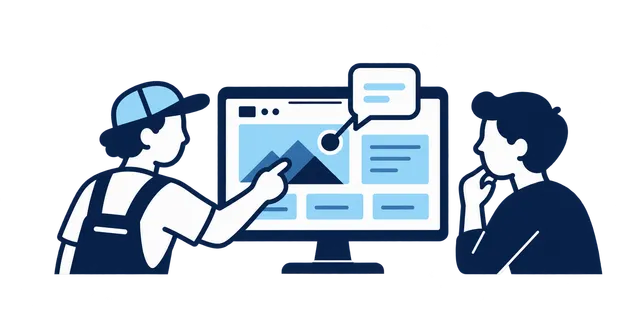
The website is completed according to the accepted quotation. You review its content and functions, the agreed revisions are made, and you approve the website before launch.

After your approval, the website is launched or handed over under the chosen package terms. Access and responsibility for ongoing operation are clear.
Hosting keeps your website online. Choose hosting with enfikra, or manage it yourself.
Yes, if it fits your workflow. Photos can provide a better starting point for the initial assessment and are used by agreement.
No. The homepage should prioritise the work the business usually handles and wants more enquiries about.
Yes, if the business offers them. Explain the differences in everyday language and use technical or safety claims only when they can be supported.